
The transition to more sustainable mobility has become a global priority, and Spain is no exception. With growing environmental awareness and an increasing fleet of electric vehicles (EVs) on the roads, electric vehicle charging infrastructure has become a fundamental pillar for facilitating this transition.
In this article, we explore the current state of EV charging in Spain, analyzing trends and challenges.
6 curiosities about charging electric cars
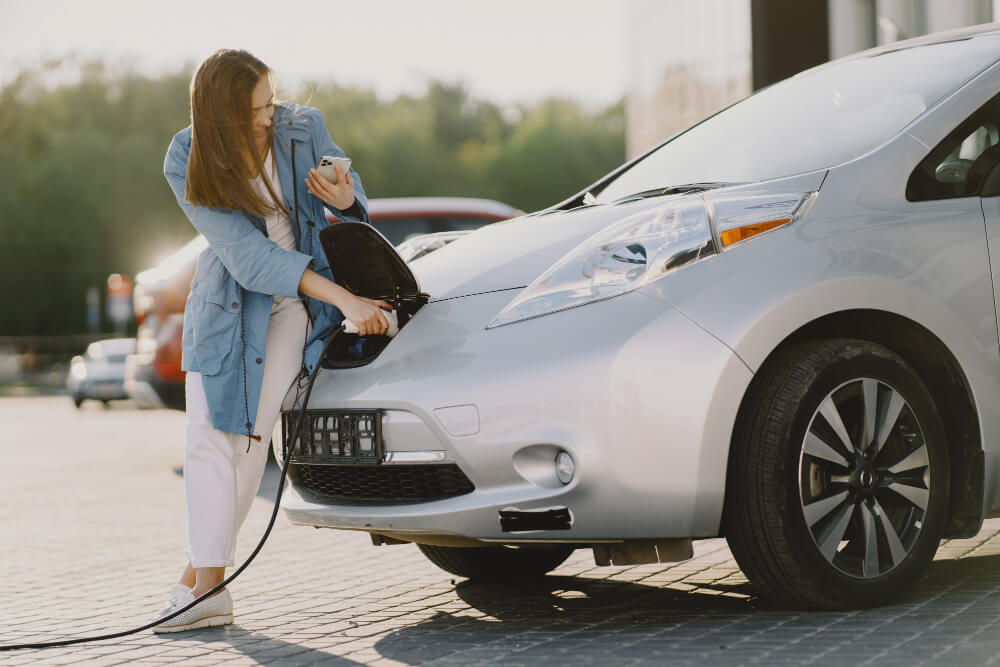
According to data from the Spanish Statistics Institute (INE), the number of EVs registered in Spain has grown exponentially in recent years. In 2022, more than 60,000 new EVs were registered, representing a 173% increase compared to the previous year. This growth is attributed to tax incentives, environmental awareness and improved battery autonomy.
1- Expanding Recharging Infrastructure
The EV charging network has also experienced rapid growth. Currently, Spain has more than 10,000 charging pointsincluding fast, semi-fast and home charging stations. This development has been driven by investments from both the private sector and the central and regional governments.
2- Lack of homogeneity
The diversity of charging standards and connectors in Spain has generated confusion among EV users and slowed infrastructure expansion. It is crucial to establish regulations that promote the homogeneity of loading systems.
3- Electrical Capacity
The increase in EV load demand raises concerns about grid capacity. Continued investment in electrical infrastructure is required to meet the charging needs of a growing EV fleet.
4- Universal Access
Despite the expansion of the charging network, rural areas and smaller cities still lack access to charging stations. Ensuring complete coverage is essential to encourage the adoption of EVs throughout the country.
5- Homogeneity Standards
To address the diversity of charging standards, Spain could implement regulations that promote the standardization of connectors and charging systems. This would simplify the user experience and accelerate the expansion of the recharging infrastructure.
6- Energy Storage
Implementing energy storage systems at charging stations could help mitigate electrical capacity challenges. Energy storage enables more efficient charging and contributes to grid stability.
Wireless Charging
Wireless charging technology, which enables wireless charging of EVs, represents an exciting innovation. Investment in the research and development of this technology could revolutionize the way we charge our