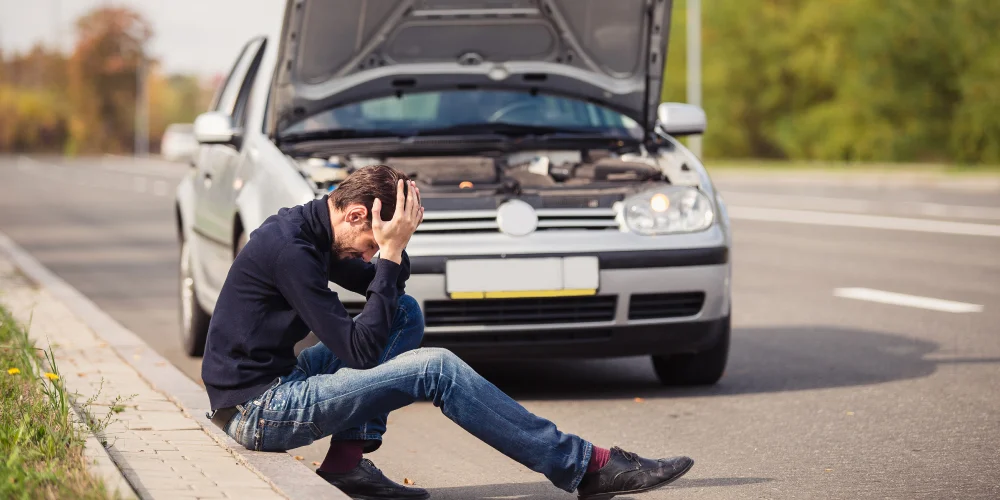

In Spain, vehicles face extreme challenges: from 40°C in Seville in August to the sub-zero cold of the Castilian plateau. These temperature changes are the direct cause of most of the breakdowns we handle.
Here we tell you what the most common breakdowns are so you can be alert and avoid an unexpected event that could ruin your trip.
You may also be interested in: Changing tires: key steps and practical tips
Summer: The enemy is extreme heat
Summer in Spain means holidays, but also overheated engines. The asphalt can reach temperatures of up to 60°C, making the road a real test for your vehicle. The most common faults in summer are:
The cooling system
It’s the main breakdown in July and August. If the coolant level is low or the thermostat fails, the engine loses its cooling capacity, causing a temperature increase that can be fatal for the vehicle.
Tip: Never ignore your car’s temperature. If it rises above normal, stop immediately.
Tires and blowouts
With the heat, air pressure tends to increase, and if your tires have cuts, are very worn, or do not have adequate pressure, the risk of a blowout multiplies. In addition, hot asphalt increases tire wear.
Air-conditioning
Although a failure in the air conditioning does not stop the engine and will not leave you stranded on the road, in the middle of August in Spain it is much more than a matter of comfort. Traveling at 40°C without air conditioning increases fatigue, becoming a real risk of accidents. Usually, this failure is caused by dirty filters or a small gas leak that could have been avoided.
You might also be interested in: How to avoid battery problems in winter
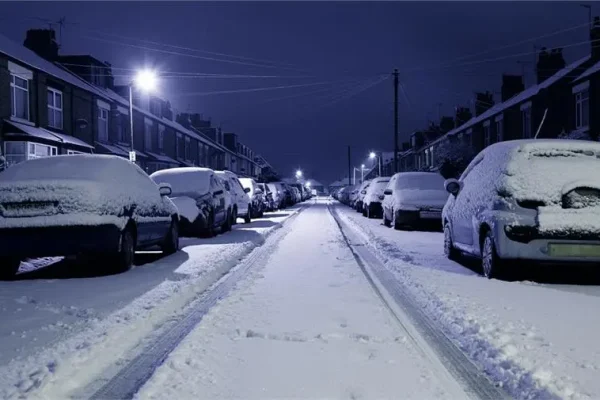
Winter: The cold takes its toll on electricity
When the real cold arrives, the problems change. We’re no longer so worried about the car overheating, but rather that it simply won’t start.
The battery: The biggest victim
Batteries hate low temperatures. The cold causes it to lose the power it needs to start the engine, and if the battery is already more than 3 or 4 years old, it is very likely that one winter morning will be enough to make it stop working. In our experience, the battery is the number one cause of assistance in winter.
Liquids and freezing
If you don’t use a quality antifreeze, the water in the system can freeze, expand, and burst hoses or even the radiator. The same applies to windshield washer fluid: if it freezes, you won’t be able to clean the salt and mud off the glass, reducing your visibility to zero.
Brakes and road salt
In many areas of Spain, salt is spread to prevent ice. This salt is highly corrosive. If you don’t wash your car frequently in winter, it can damage the braking system and other parts of the vehicle.
| Component | Summer Risk | Winter Risk |
|---|---|---|
| Battery | Infrequent | Very high (Downloads) |
| Engine | Overheating | Freezing of fluids |
| Tires | Heat bursts | Lack of grip (Ice/Water) |
| Visibility | Glare and dust | Fogging and frost |
How to avoid getting stranded?
Regardless of the era, the key is always prevention. Before a long trip or a change of season, we recommend:
- Check the levels (oil, coolant, brakes).
- Check the battery status if it is more than 2 years old.
- Check the tires.
Have you been stranded on the road? Don’t worry. Our roadside assistance and towing service is available 24 hours a day, whether the sun is blazing or the road is covered in snow. Your safety comes first.